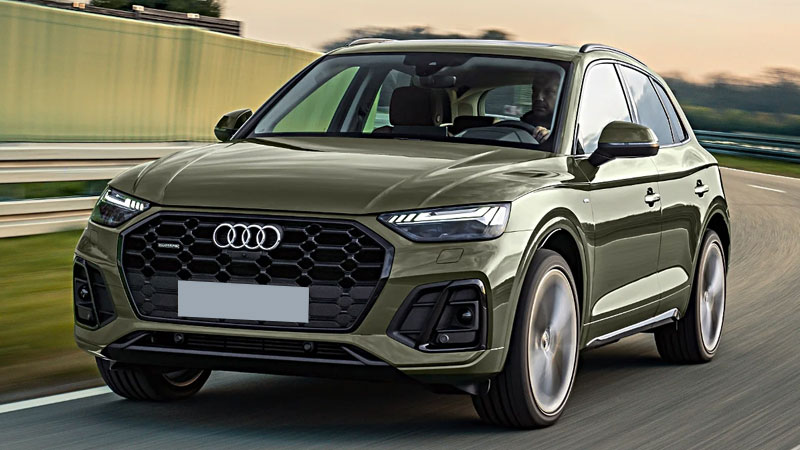

Embark on an unforgettable journey with Get Your Ride today! Experience the thrill of exploring new horizons, feeling the wind in your hair, and the freedom of the open road.
About Us

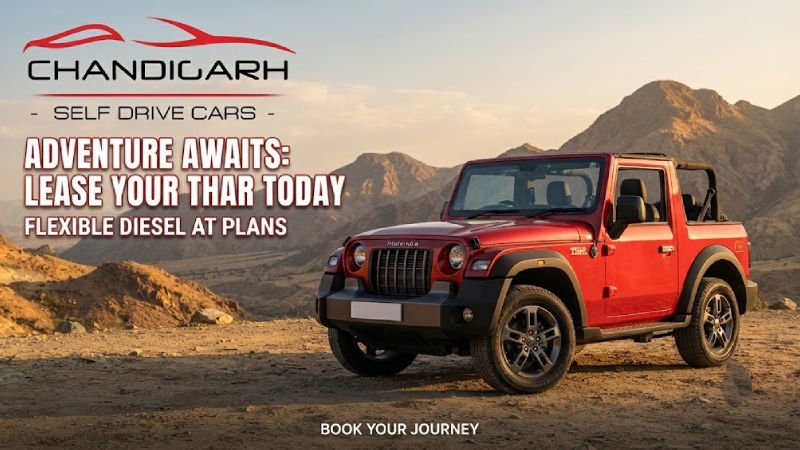
Having a personal vehicle is useful for office travel, family requirements, weekend drives and regular city use, but purchasing a new car is not always the most suitable choice. A one year car lease gives drivers access to a vehicle for an extended period without immediately committing a large amount of money toward ownership. This arrangement can be useful for professionals, business users and families who require a dependable vehicle for a defined period.
An annual lease generally allows a customer to use a selected vehicle for an agreed duration while making scheduled payments according to the rental terms. Instead of paying the complete purchase price, the customer pays for long-term usage. Depending on the provider and agreement, certain vehicle-related services may also be included, making the arrangement easier to manage during the contract period.
Purchasing a new car normally involves a down payment, registration expenses, insurance, loan instalments and other ownership costs. Even when a vehicle is financed, the buyer takes responsibility for a long repayment period. For someone who only needs a car for a year or whose requirements may change soon, taking on a multi-year financial commitment may not always be necessary.
A major advantage of annual car rental is that it may reduce the need for a heavy upfront payment. Instead of investing substantial savings into purchasing a vehicle, customers can select a suitable car and manage the expense through agreed periodic payments. This can help preserve funds for business needs, household expenses, travel or other important financial priorities.
Vehicle requirements often change with work, family size and driving habits. A compact car may be suitable for daily city use, while an SUV may be more practical for highway journeys and family travel. Leasing provides an opportunity to select a vehicle according to present requirements without assuming that the same model must remain suitable for many years.
| Comparison Factor | Annual Lease | New Car Purchase |
|---|---|---|
| Initial Financial Requirement | Generally more manageable | Usually higher |
| Ownership | Vehicle remains with provider | Vehicle belongs to buyer |
| Commitment | Defined contract period | Usually several years |
| Vehicle Change | Easier after agreement ends | Requires sale or exchange |
A monthly car lease can make budgeting simpler because the primary vehicle usage cost follows an agreed payment schedule. Buyers using finance also have monthly instalments, but they may additionally handle ownership expenses that arise during the vehicle's life. Comparing the complete cost structure rather than only the monthly figure gives a clearer understanding of both choices.
A newly purchased vehicle begins losing market value as it is used and becomes older. Depreciation matters when the owner eventually decides to sell or exchange the car. With a lease, the customer primarily focuses on using the vehicle during the contracted period rather than worrying about its future resale price.
Professionals working on temporary assignments may need a personal vehicle without wanting to purchase one immediately. A twelve-month arrangement can match employment contracts, project durations or temporary relocation periods. Once the agreed term finishes, the customer can reassess their requirements rather than remaining committed to a vehicle purchased for a temporary situation.
Businesses sometimes require vehicles for employees, managers, client meetings and operational duties without wanting to expand a permanent company-owned fleet. A corporate car lease can provide vehicles for a defined duration while helping businesses structure mobility expenses according to their current operational requirements.
Customers who prefer driving independently can benefit from arrangements designed around personal vehicle usage. Self Drive Cars allow users to manage their own schedules, routes and daily routines without depending on a driver. This format can be particularly practical for people who need a car almost every day.
Buying often makes financial sense when a person intends to keep the vehicle for a long period. However, some drivers prefer changing cars as their requirements evolve. A lease with a clearly defined end date makes it possible to reconsider vehicle size, features and category after the agreement rather than being tied to the same purchase for an extended period.
| Driver Requirement | Suitable Vehicle Category | Key Benefit |
|---|---|---|
| Daily Office Use | Hatchback or Compact SUV | Easy everyday usability |
| Family Driving | SUV or MUV | More cabin and luggage room |
| Business Use | Sedan or Premium SUV | Professional and comfortable |
| Highway Trips | SUV | Comfort for longer journeys |
Maintenance can influence the real cost of keeping a vehicle. A new car owner is responsible for scheduled servicing and expenses that are not covered by warranty or service packages. Lease agreements can differ considerably, so customers should confirm whether routine servicing, maintenance assistance or other vehicle support is included before making a decision.
Insurance is another expense that should be included when comparing leasing and ownership. Buyers must arrange appropriate insurance and renew it according to applicable requirements. Lease customers should carefully review the agreement to understand insurance coverage, deductibles, damage responsibilities and any additional conditions that apply throughout the rental duration.
Selling a used vehicle can involve advertisements, buyer enquiries, inspections, negotiations and ownership transfer formalities. Market prices can also change by the time a car is sold. With a long term vehicle rental, customers generally return the vehicle according to the contract conditions at the end of the agreed period, avoiding the usual resale process associated with ownership.
A driver may initially require a compact vehicle but later need additional luggage room or a larger cabin. Families may also require different vehicles as their routines change. A defined leasing period creates a natural opportunity to review those requirements and select another category for the next agreement instead of selling an owned vehicle first.
Some drivers want the comfort, features and road presence of a premium SUV but do not want to invest the complete purchase amount. Extended leasing can provide access to higher-category vehicles for a specific duration. The decision should still be based on the total contract cost, usage limits and individual financial circumstances.
Drivers in Chandigarh may use their vehicles for office commutes, nearby city visits, family journeys and highway travel. Chandigarh Self Drive Car provides options for customers who prefer independent driving, allowing the vehicle category to be selected according to practical usage rather than making an immediate ownership commitment.
| Expense Area | Leased Vehicle | Purchased Vehicle |
|---|---|---|
| Purchase Price | No full purchase required | Paid upfront or financed |
| Resale Responsibility | Generally not required | Handled by owner |
| Depreciation Concern | Less direct concern for user | Impacts vehicle value |
| Future Vehicle Selection | Can change after contract | Depends on selling or exchanging |
Before choosing a lease, customers should understand how much they expect to drive during the year. Some agreements may include kilometre limits or additional usage charges. Estimating office travel, family journeys and regular highway use beforehand helps determine whether the selected package is suitable for actual driving habits.
The lowest monthly figure is not automatically the best option. Customers should review security deposits, payment schedules, maintenance clauses, insurance conditions, usage limits, damage policies and return requirements. A clear understanding of the agreement helps prevent unexpected expenses and makes different offers easier to compare fairly.
Leasing is not automatically better for every driver. Someone who intends to keep a car for many years, drives without contractual usage restrictions and values having an asset in their own name may prefer purchasing. Once loan payments are completed, long-term ownership can provide years of continued use without recurring lease payments.
A customer who knows that their vehicle needs may change within a year may find leasing more suitable. The defined duration gives them a clear point at which they can return, renew or choose another vehicle, depending on the provider's terms. This can be useful when future work location, family needs or driving patterns remain uncertain.
Purchasing several vehicles can tie up a substantial amount of business capital. Leasing may allow companies and independent professionals to use suitable vehicles while retaining funds for staffing, equipment, marketing and other operational expenses. Tax and accounting treatment varies, so businesses should obtain professional financial advice for their individual circumstances.
Family requirements can change quickly, especially when additional passenger space, luggage capacity or regular highway comfort becomes important. Leasing makes it possible to choose a vehicle that fits current needs and reconsider the category when the contract ends, rather than making a purchase based on uncertain requirements several years into the future.
| Lease Detail | Why It Matters |
|---|---|
| Kilometre Allowance | Helps estimate whether regular driving fits the package |
| Maintenance Terms | Clarifies responsibility for routine vehicle care |
| Insurance | Explains coverage and customer liability |
| Return Policy | Defines vehicle condition requirements at contract completion |
Comparing leasing with buying should involve more than multiplying a monthly payment. For ownership, consider the down payment, loan interest, registration, insurance, servicing, depreciation and expected resale value. For leasing, consider rental payments, deposits, usage limits, maintenance terms and any applicable charges. A complete comparison makes it easier to identify which option suits the intended period of use.
Someone who drives every day has different requirements from a person who uses a vehicle occasionally. Daily users should pay close attention to kilometre allowances, maintenance support and vehicle comfort. Selecting a package that matches genuine usage can be more valuable than choosing solely according to the lowest advertised monthly rate.
Before taking possession of a leased vehicle, customers should review its condition and understand the documentation provided with it. Existing marks or damage should be recorded according to the provider's process. Clear documentation at the beginning can make the eventual vehicle return easier and reduce confusion regarding responsibility for pre-existing issues.
A vehicle that seems suitable for occasional use may feel very different when driven every day. Seating comfort, luggage room, automatic or manual transmission, ground clearance, cabin features and fuel requirements should all be considered. Choosing according to regular usage can make the entire leasing period more convenient.
Drivers who need a vehicle continuously may find repeated short rental periods inconvenient. An extended agreement provides continuity with the same vehicle for a defined duration and reduces the need to arrange another car frequently. This can be particularly useful for work assignments, business use and temporary residential stays.
Buying works well when long-term requirements are clear, but circumstances can change. Job transfers, business assignments, family requirements and preferred vehicle categories may be different a year later. A Long Term Car Lease Rental can give drivers a practical middle ground between frequent short rentals and permanent ownership.
| Priority | Leasing May Suit | Buying May Suit |
|---|---|---|
| Defined One-Year Requirement | Yes | Less necessary |
| Permanent Ownership | No | Yes |
| Changing Vehicle Regularly | More convenient | Requires sale or exchange |
| Keeping a Car for Many Years | May be less suitable | Often worth considering |
The better option depends on how long the vehicle is required, how frequently it will be driven and how much financial commitment the customer wants to make. Leasing can suit defined usage periods and drivers who value the ability to reconsider their vehicle later, while purchasing can suit people who want permanent ownership and expect to retain the same car for many years.
Before deciding, consider whether ownership itself is important or whether reliable access to a suitable vehicle is the main objective. A driver focused on temporary use and flexibility may prefer a lease, while someone building long-term personal assets may see greater value in buying. Neither choice should be judged only by the monthly payment.
Think about how your driving requirements could change after the next year. A different job location, growing family or change in travel frequency can make another vehicle category more suitable. Drivers expecting such changes may value an arrangement that allows them to reassess their choice after a defined period.
Customers should read the complete contract and ask for clarification about anything that is unclear. Payment terms, deposits, servicing, insurance, kilometre limits, damage policies and return conditions should be understood before signing. A transparent agreement is essential for maintaining a smooth experience throughout the lease period.
A one-year lease can be a practical alternative to purchasing when a driver wants extended access to a car without immediately committing to permanent ownership. Buying remains valuable for people who expect to retain their vehicle for a long time. Comparing the full cost and personal requirements provides a stronger basis for choosing between these two options.
The most suitable arrangement is ultimately the one that fits everyday usage, budget and future expectations. Compare the complete financial commitment, select the right vehicle category and understand every contract condition before proceeding. A carefully selected lease or purchase can both provide dependable personal mobility when matched correctly with real driving needs.
| Decision Area | Choose Leasing When | Consider Buying When |
|---|---|---|
| Usage Period | A defined period is required | Long-term ownership is preferred |
| Upfront Commitment | You prefer a structured usage arrangement | You are comfortable investing in ownership |
| Future Requirements | Your vehicle needs may change | Your requirements are likely to remain stable |
| Vehicle Resale | You prefer to avoid selling the vehicle later | You are comfortable managing future resale |
"Self Drive Cars Chandigarh" is the only Govt. approved car rental company that serve self-drive luxury & budget cars on rent in North-India.
Trust Score 4.5 (Based on 400+ reviews)